Social Media
Less is More: How Limiting Posts Boosted My Engagement by 40%
- Filed
- Mar 7
- Field agent
- Deirdre Tshien
- Tags
- [Social Media] [Content Strategy]
- Length
- 3 MIN
Abstract
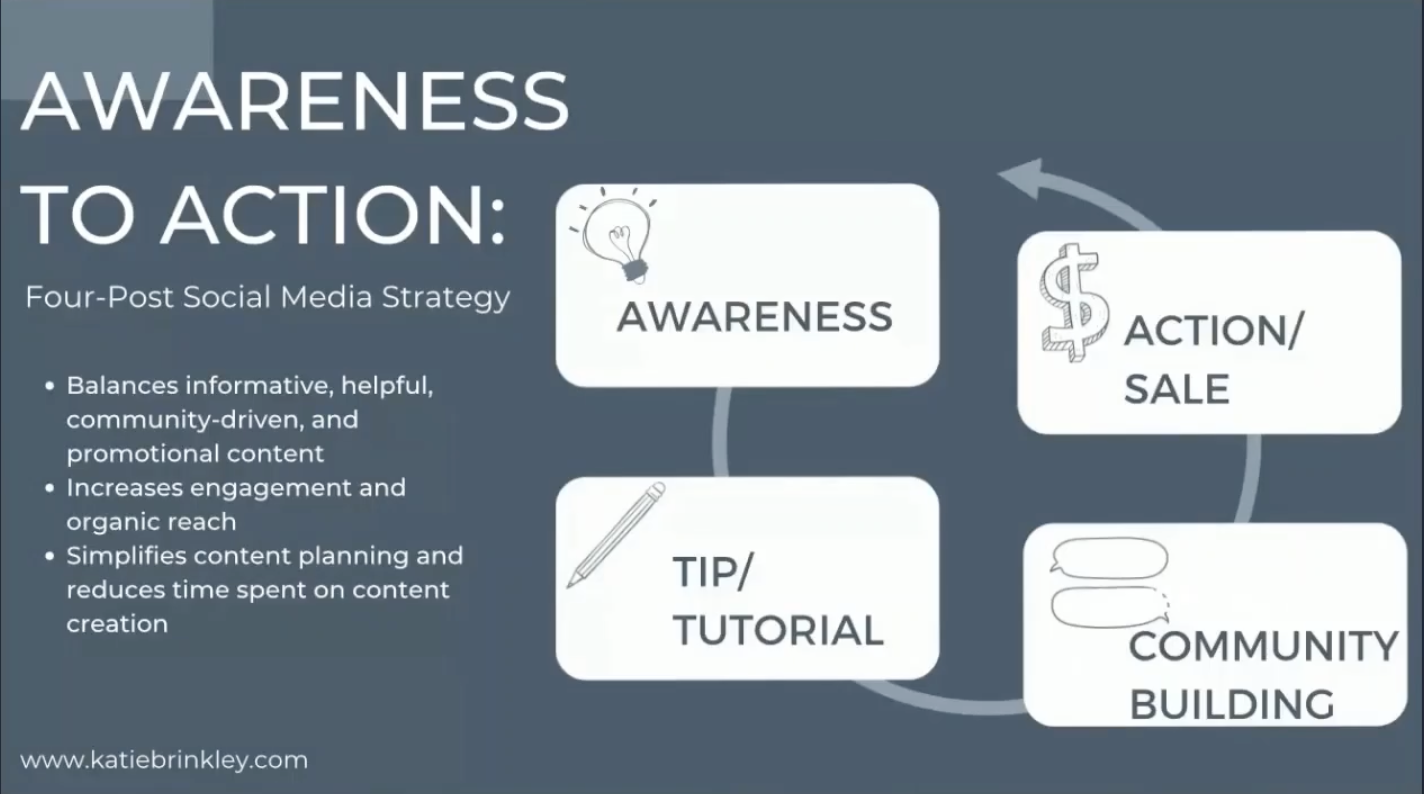
The Katie Brinkley 4-post social media strategy (Awareness, Elaboration, Community, Action) illustrated with example post screenshots and an embedded interview video.
As entrepreneurs and content creators, we often find ourselves drowning in the never-ending cycle of creating, posting, and promoting our content across multiple social media platforms.
It's a daunting task that can quickly become overwhelming, leaving us feeling burnt out and questioning the effectiveness of our efforts.
This is where the 4-post social media strategy created by Social Media Expert, Katie Brinkley, comes in.
The 4 posts: awareness, elaboration, community, and action
At the core of this strategy lies a simple yet powerful concept: 4 distinct types of posts that work together to create a cohesive and engaging experience for your audience. Let's break them down:
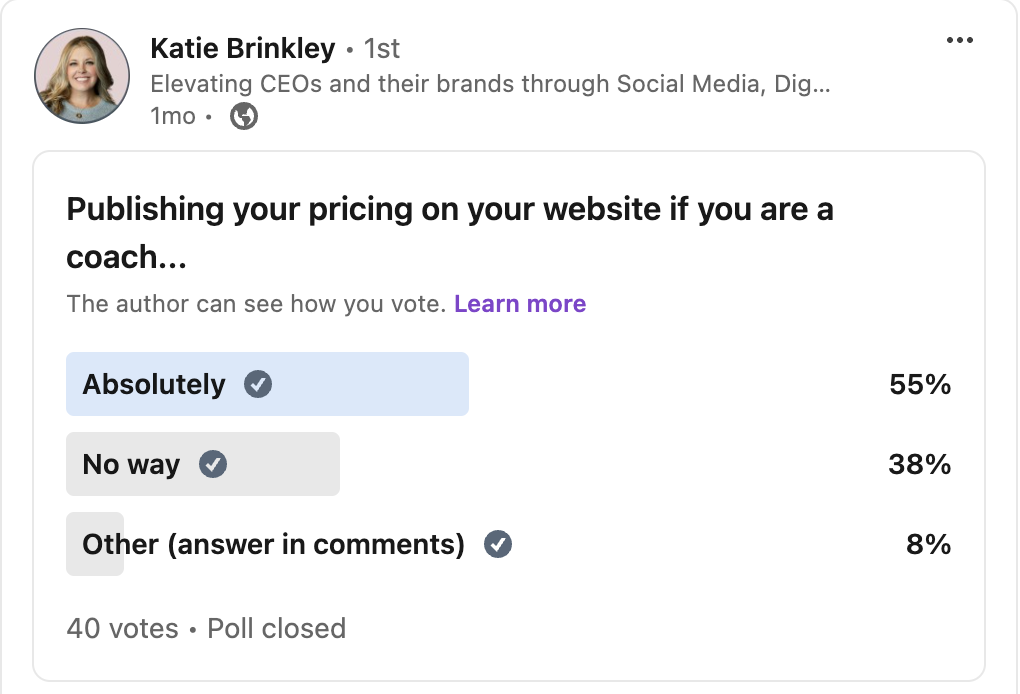
1. The awareness post
The awareness post is designed to pique your audience's interest by introducing a problem or pain point they may be experiencing. It's a gentle nudge that gets them thinking about an issue they may not have realized they had.

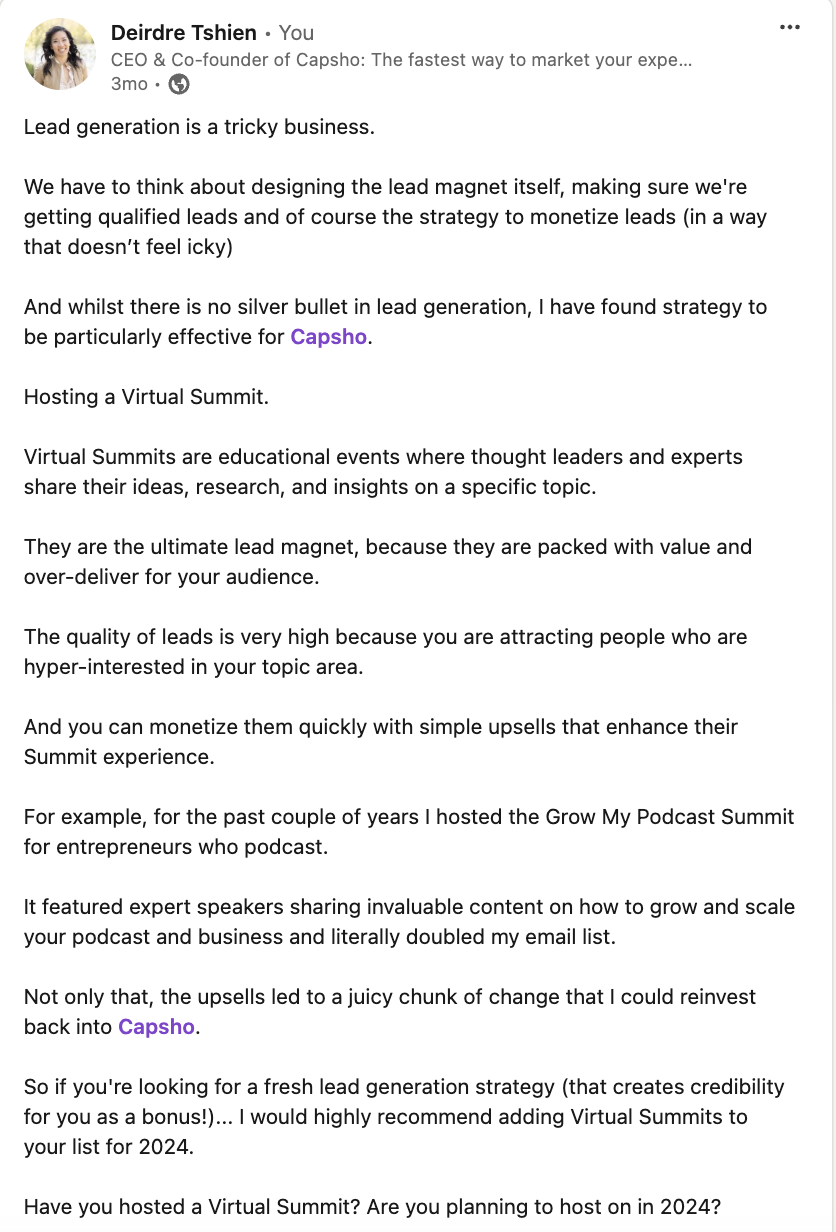
2. The elaboration post
Once you've captured their attention, the elaboration post dives deeper into the problem, providing more context and detail. This is where you can showcase your expertise and position yourself as a valuable resource.
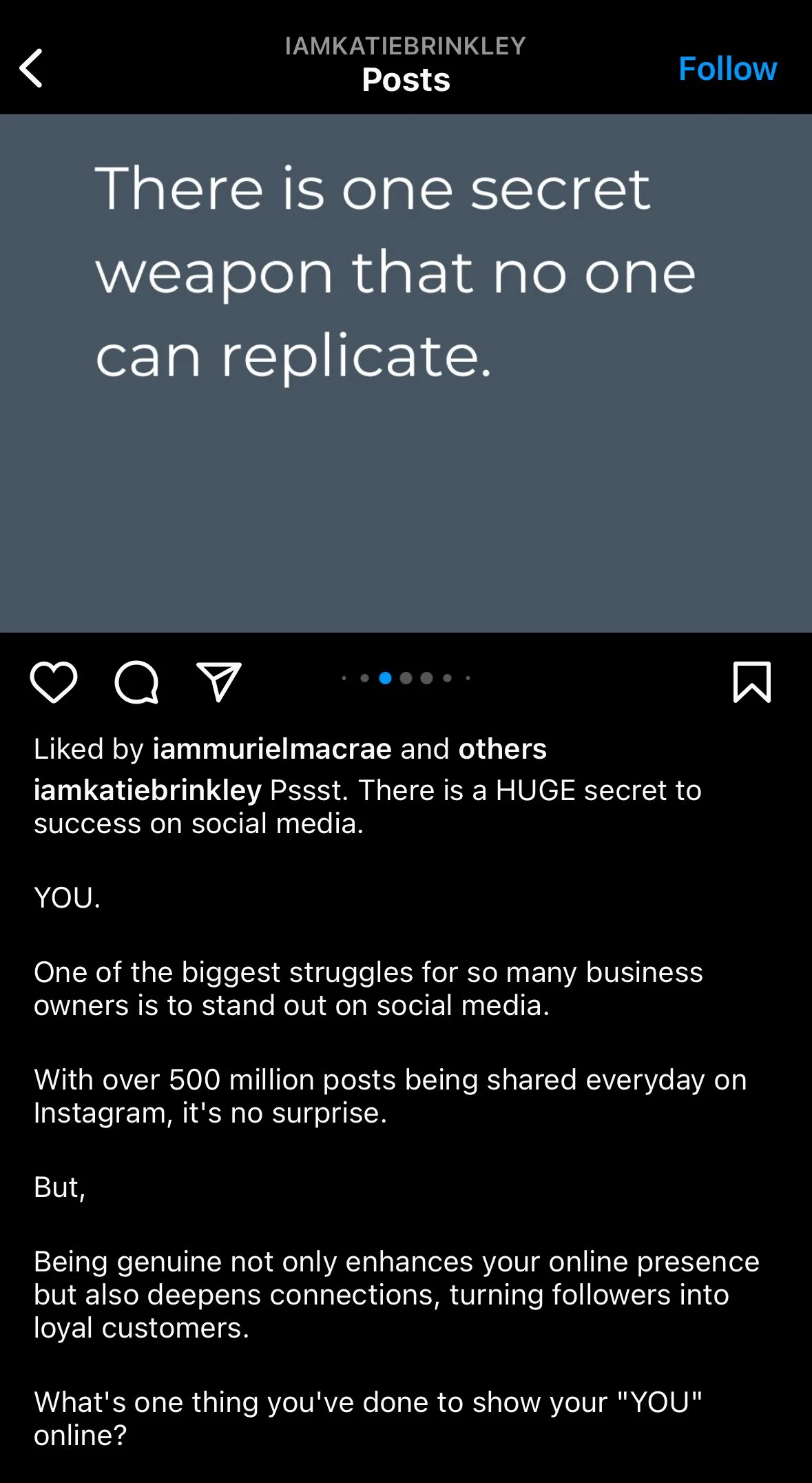
3. The community post
The community post is where you get to humanize your brand and connect with your audience on a more personal level. Share your story, highlight a client's success, or simply offer a glimpse into your world. This post is all about building rapport and fostering a sense of community.
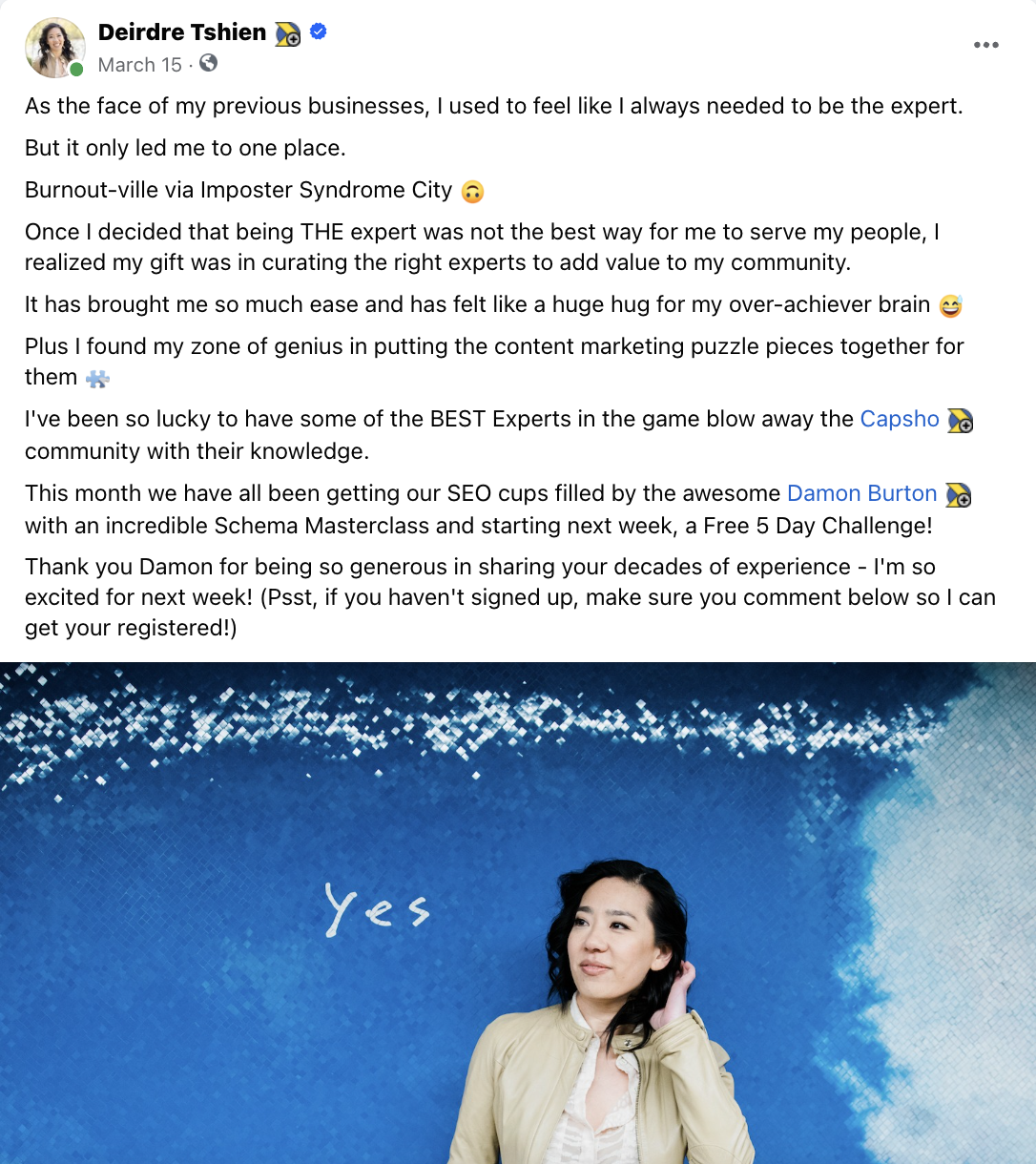
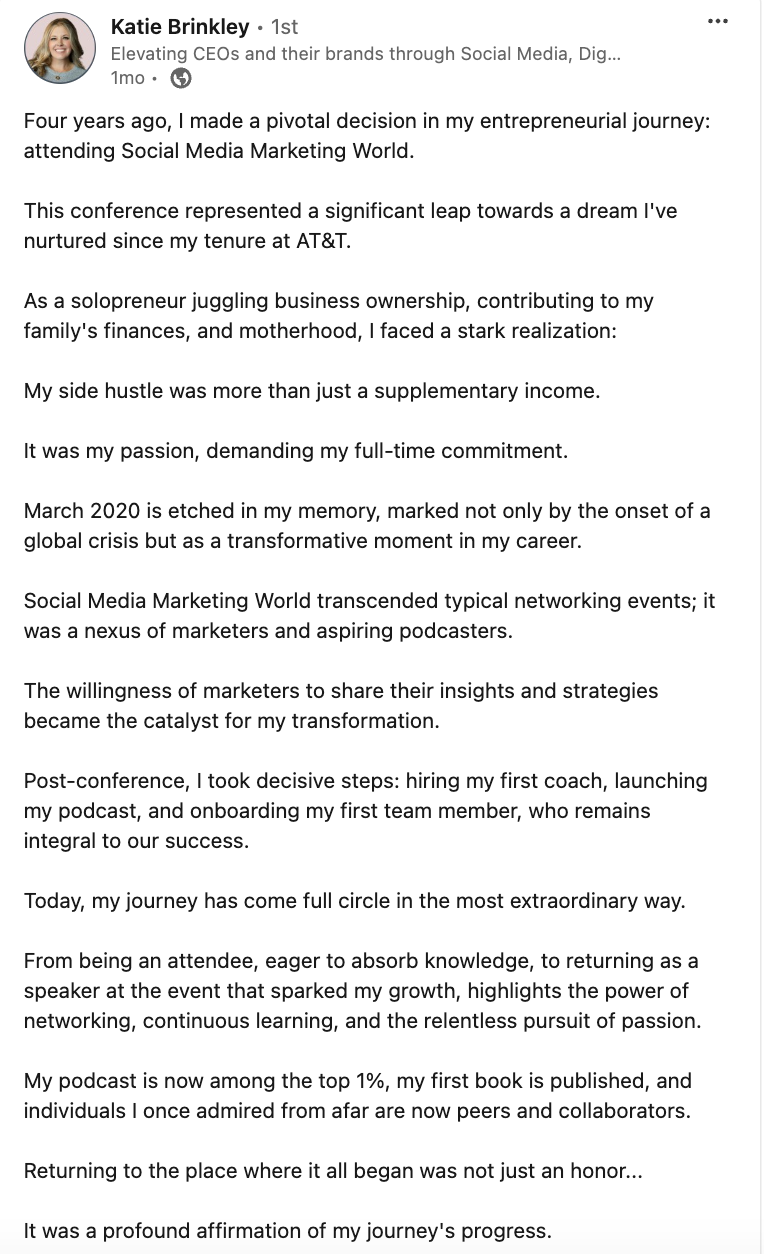
4. The action post
After guiding your audience through the journey of awareness, elaboration, and community-building, the action post is your call to, well, action.
This is where you invite them to take the next step, whether it's signing up for your lead magnet, attending your event, or purchasing your product or service.
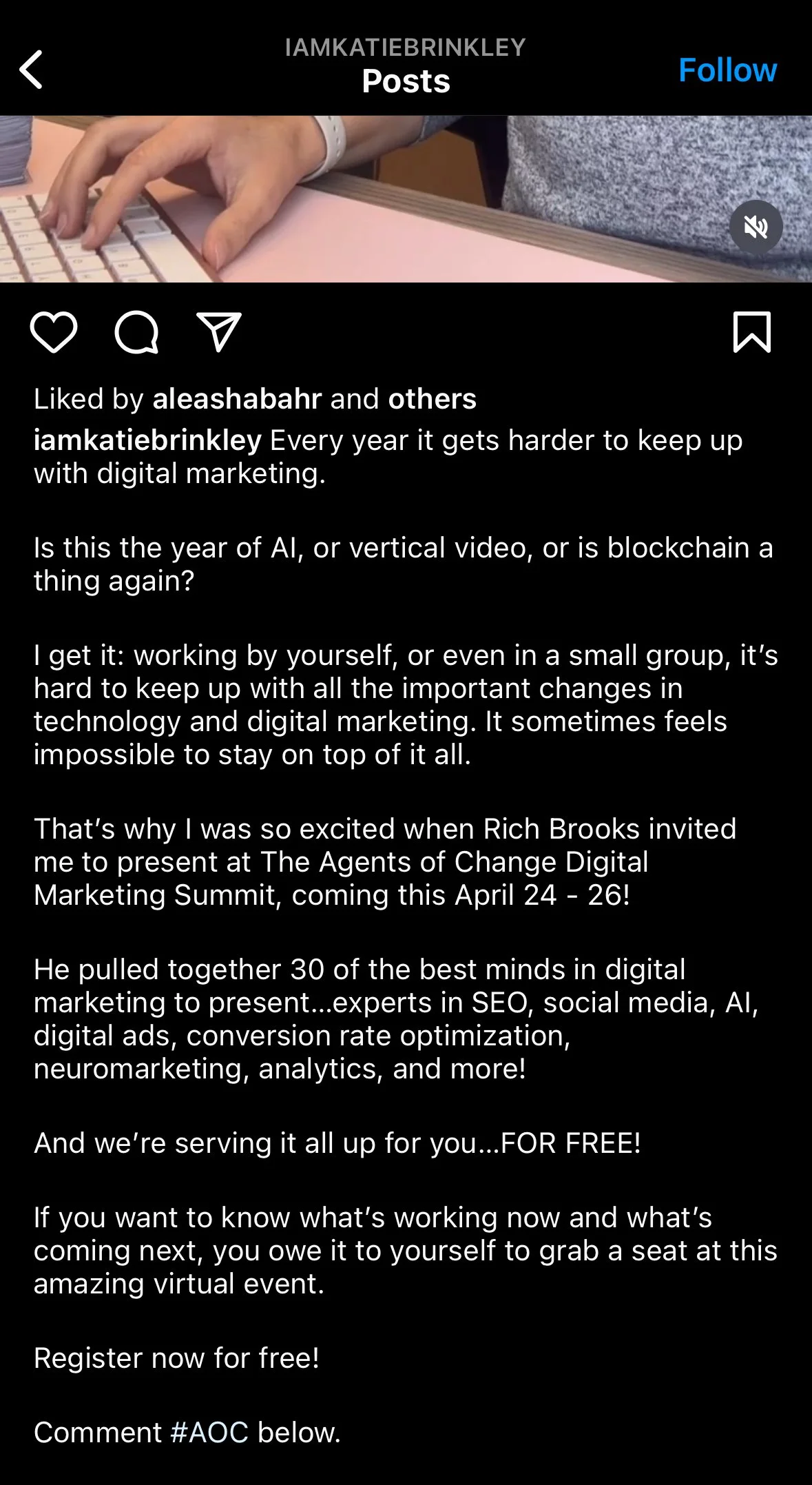
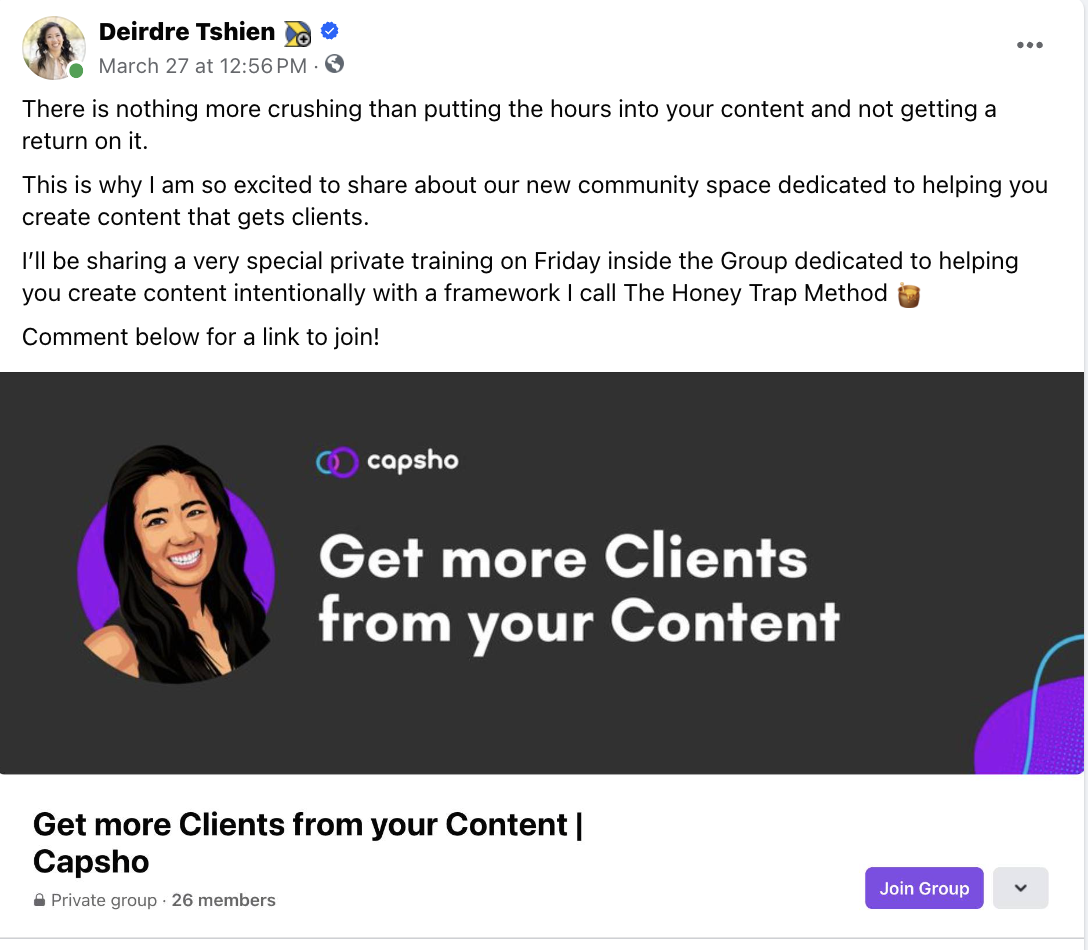
The importance of intentionality in social media
The differentiator of the 4-post social media strategy is its intentionality. Instead of haphazardly posting content across multiple platforms, this approach encourages you to be strategic and purposeful with your messaging.
Katie emphasizes the importance of tailoring your content to the specific platform you're using. For instance, on LinkedIn, a poll might be the most effective way to capture attention, while on Instagram, a reel could be the way to go.
By understanding the nuances of each platform and creating content that aligns with its strengths, you increase your chances of reaching and engaging your target audience effectively.
Reclaiming your time and sanity
Practitioners of the 4-Post Social Media Strategy have said the most appealing aspect of it is the freedom it offers. Gone are the days of feeling like you need to be present on every single platform, posting multiple times a day, and stretching yourself thin.
As Katie shared, the average business owner spends 6 hours per week on social media – that's almost an entire workday dedicated solely to this task.
But with the 4-post strategy, you can streamline your efforts, focusing on one or two platforms at most, and still achieve remarkable results.
By following this framework, you'll not only reclaim precious time but also eliminate the mental clutter and stress that often accompany the constant pressure to create and post content.
With a clear plan in place, you can approach social media with intention and purpose, rather than feeling like you're constantly chasing the next viral trend.
Embrace the simplicity, reap the rewards
In a world where social media can often feel like a chaotic and overwhelming landscape, the 4-post social media strategy offers a breath of fresh air.
By breaking down your content into 4 distinct yet interconnected posts, you can create a cohesive and engaging experience for your audience while maintaining your sanity and focus.
Ready to give it a try and make your social media efforts more intentional, effective, and rewarding? Start by choosing the one action you want your audience to take this week, then build your four posts around it.